
Our Programmes
⭐ Ages 4–6 Years · Kindergarten
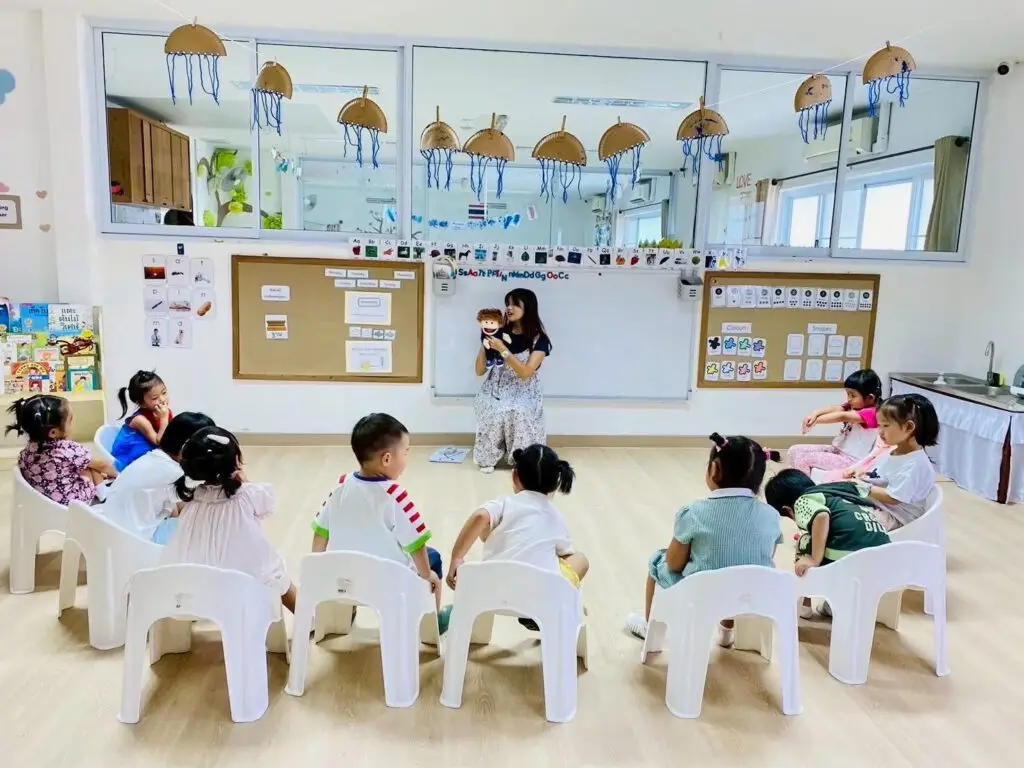
At Siriaunda School, we are committed to nurturing confident, creative, and caring learners who are equipped with the skills to thrive in an ever-changing world. Guided by international best practices and grounded in the Singapore Nurturing Early Learners Framework, our curriculum is designed to support each child's holistic development across key learning domains.
We celebrate and nurture this uniqueness, creating a safe and engaging environment where children can grow and discover the world around them.
Our child-led approach values diverse pathways to understanding. We emphasise the learning process over the final outcome and tailor teaching to individual needs.
We collaborate with parents, recognising their essential role as their child's first teachers and building on the foundations established at home.
Reading, Writing & Communication
Our English programme aims to develop children's literacy skills and competence in the language. The phonics component teaches children the basic skills in reading and spelling decodable words, as well as recognising sight words.
The programme combines stories, rhymes, literacy activities, reading, spelling, and creative writing. Together with our in-house materials, we use up to 15 English readers per year at K2 and K3.
We promote engaging discussions with peers and adults on various topics, helping them ask questions to gather information or clarify understanding.
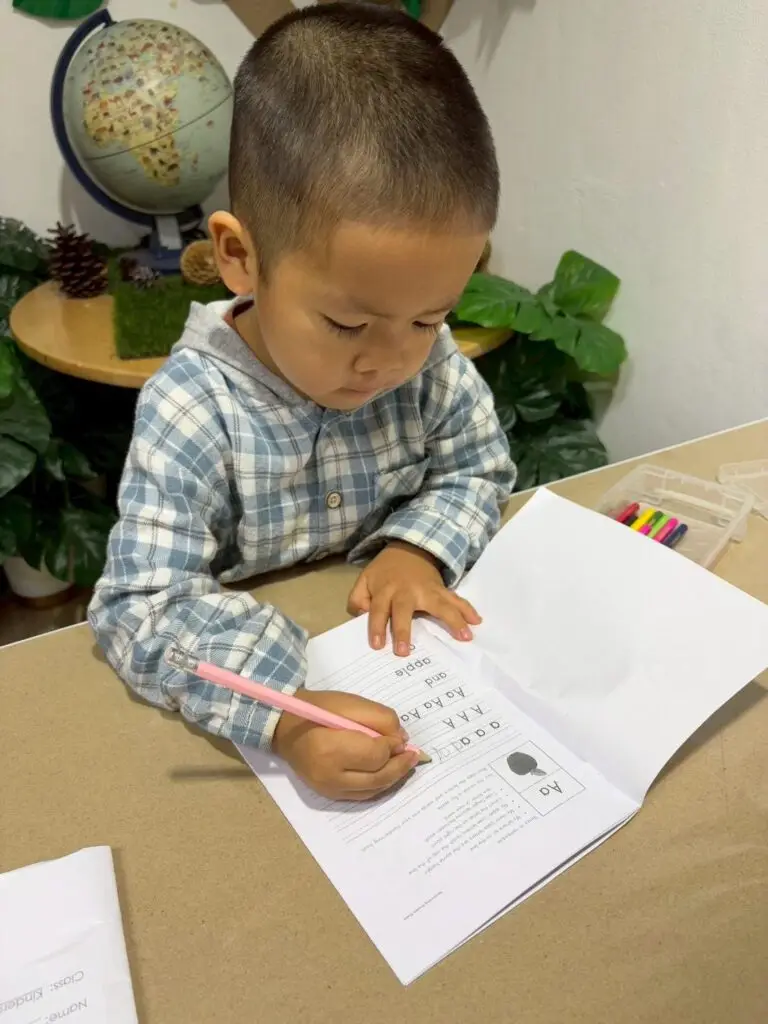
MATAL Early Childhood Programme
During Creative and Critical Thinking lessons, children have the opportunity to express their thoughts and ideas. It is a time where children are encouraged to ask questions and come up with logical answers themselves.
The emphasis is on the observation of the environment using all the senses. Components of the MATAL Early Childhood Programme from Israel form the basis in developing these critical thinking skills.
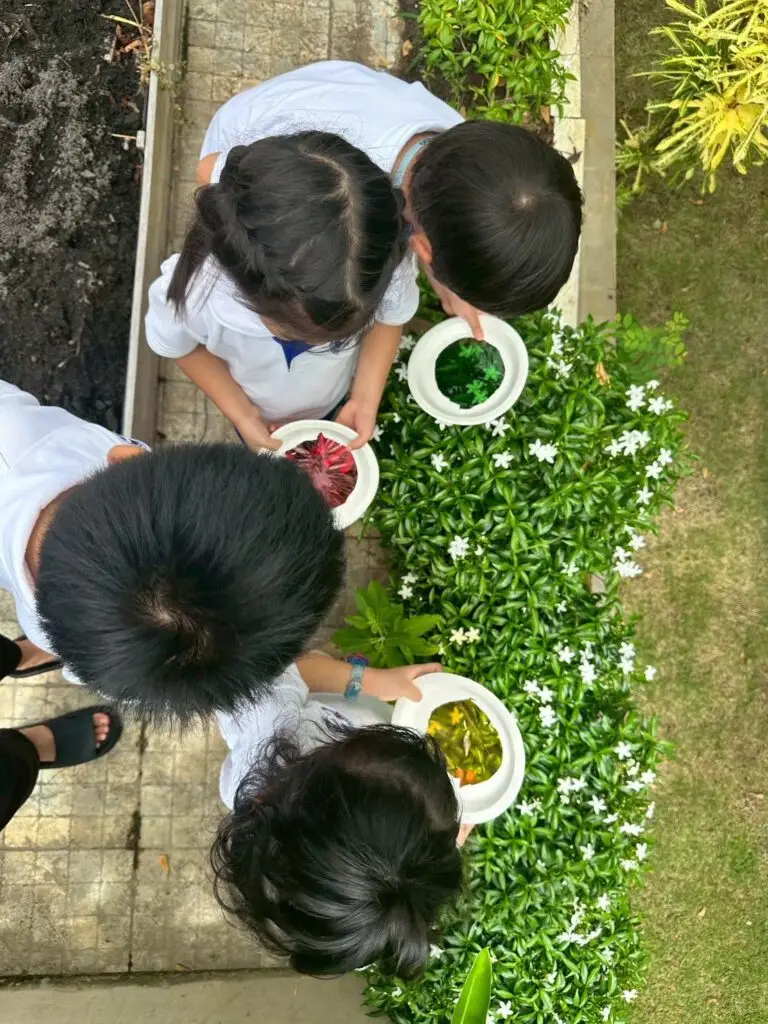
STEM & Active Exploration
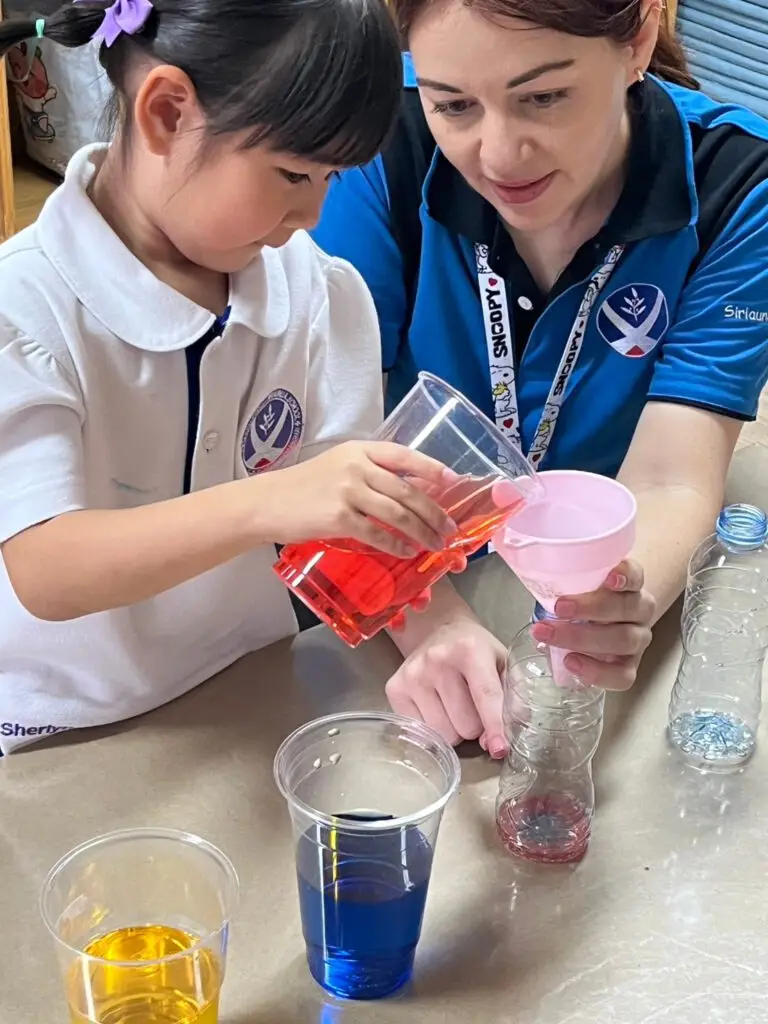
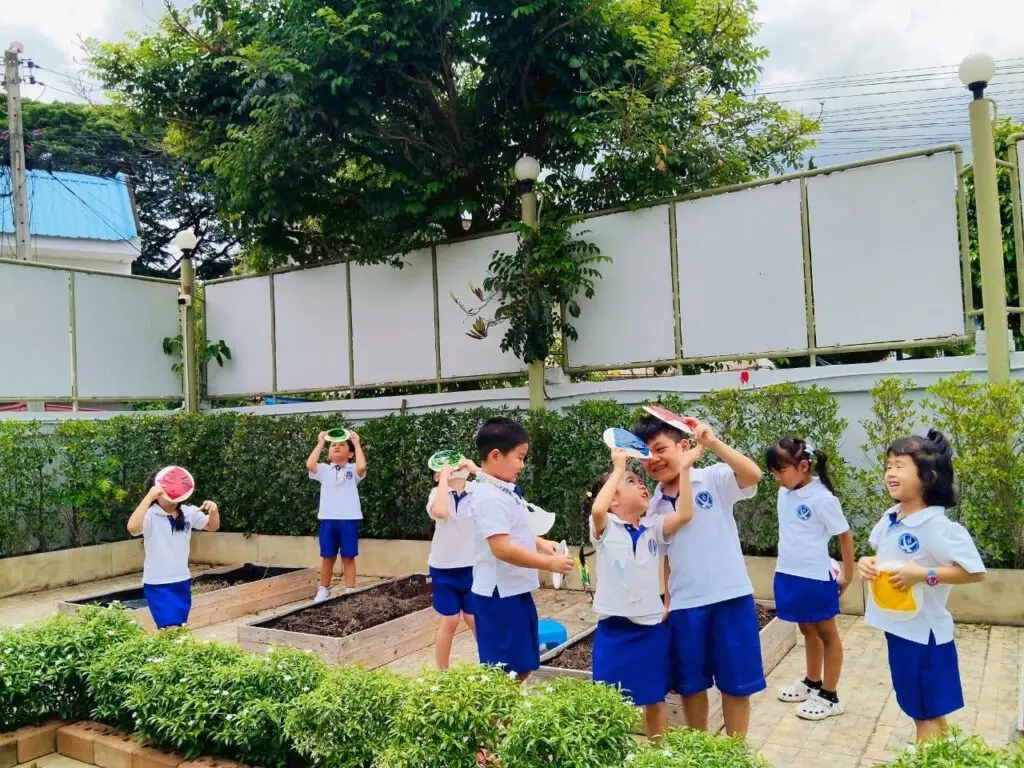
Our TOI programme engages students in active exploration, critical thinking, and problem-solving. It encourages students to ask questions, investigate topics, and seek answers through research and hands-on experiences.
Students take ownership of their learning by asking questions and exploring topics of interest.
Students learn to analyse information, evaluate sources, and approach problems with informed solutions.
Students are guided to find information, test their ideas, and draw their own conclusions.
Group work encourages sharing ideas and perspectives, promoting teamwork and communication.
Students learn to gather data, conduct experiments, and evaluate results.
Students apply what they learn to real-world contexts, making education relevant and meaningful.
Imagination & Narrative Learning
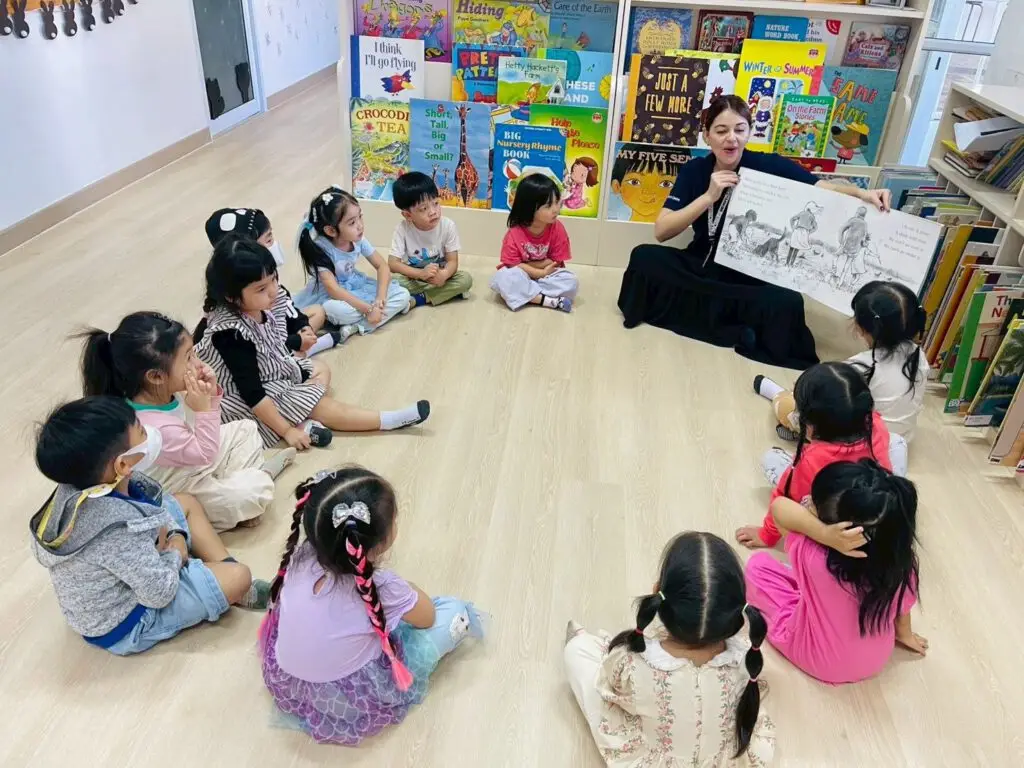
The Story-Based Approach seamlessly integrates storytelling into the learning process. This approach harnesses the power of narrative to engage learners, making concepts more relatable and memorable.
It offers children the opportunity to develop problem-solving skills, critical thinking, creativity, emotional intelligence, and more lifelong skills. It also fosters high motivation, active participation, and cooperation among children.
Cognitive Development for K1–K3
This curriculum focuses on the "how" of learning — created by a world-class team of developmental psychologists and educators. Vygotsky believed true education is not merely the acquisition of specific knowledge and skills but the development of children's learning abilities.
Through this cognitive programme, children develop exceptional mental tools, abilities, and mindsets, which are essential for successful learning of all kinds.
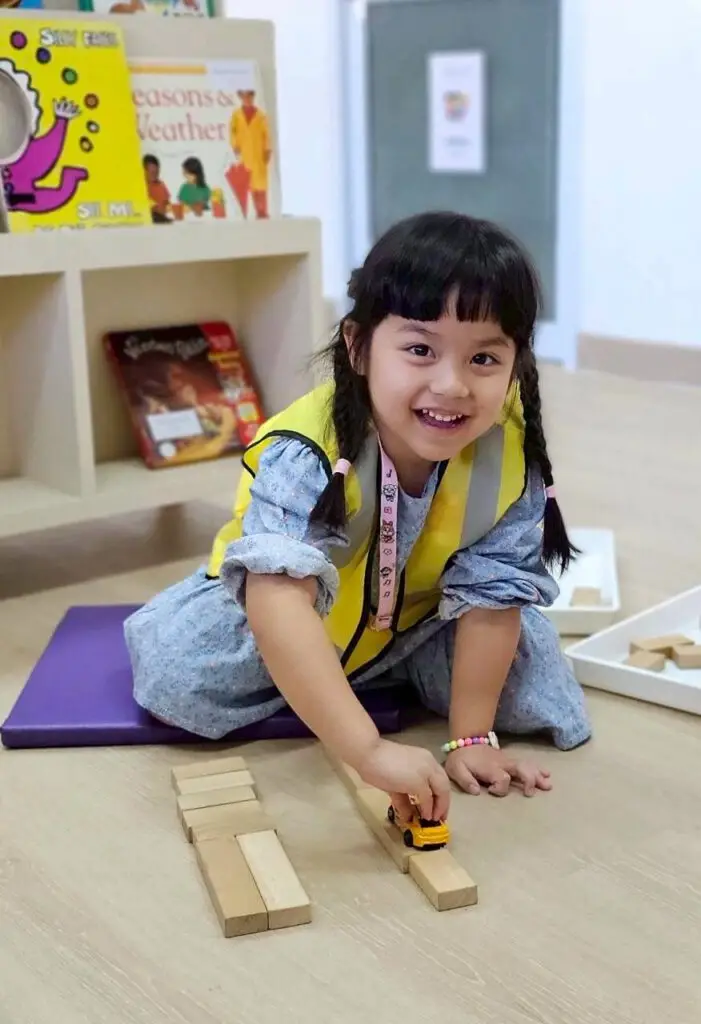
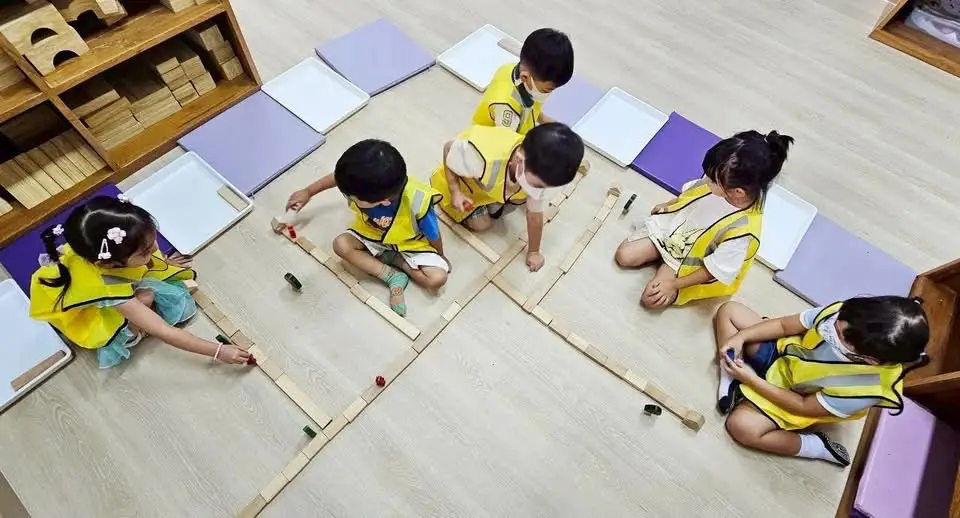
Develops the ability to plan, articulate plans, and analyse the structure of objects using scheme-based visual modelling and modular building blocks.
Builds creativity through working together to realise ideas and create artistic compositions exploring materials, colours, and textures.
Develops emotional intelligence and non-verbal communication through movement, gestures, and expression.
Helps children recognise and apply fundamental sensory standards of colour, shape, and size — the foundation of mathematical thinking.
Uses Visual-Spatial Modelling to develop love of story, ownership of story language, and understanding of story structure — laying the foundation for narrative writing.
Introduces concepts and language of mathematics — number, measurement, and the relationships between quantities and units of measure.
Learn about themselves as physical, emotional, and social beings, the natural and material world, and relationships between people.
All modules work together to develop creative thinking, communication skills, planning ability, and a growth mindset for lifelong learning.
Independent & Self-Directed Learning
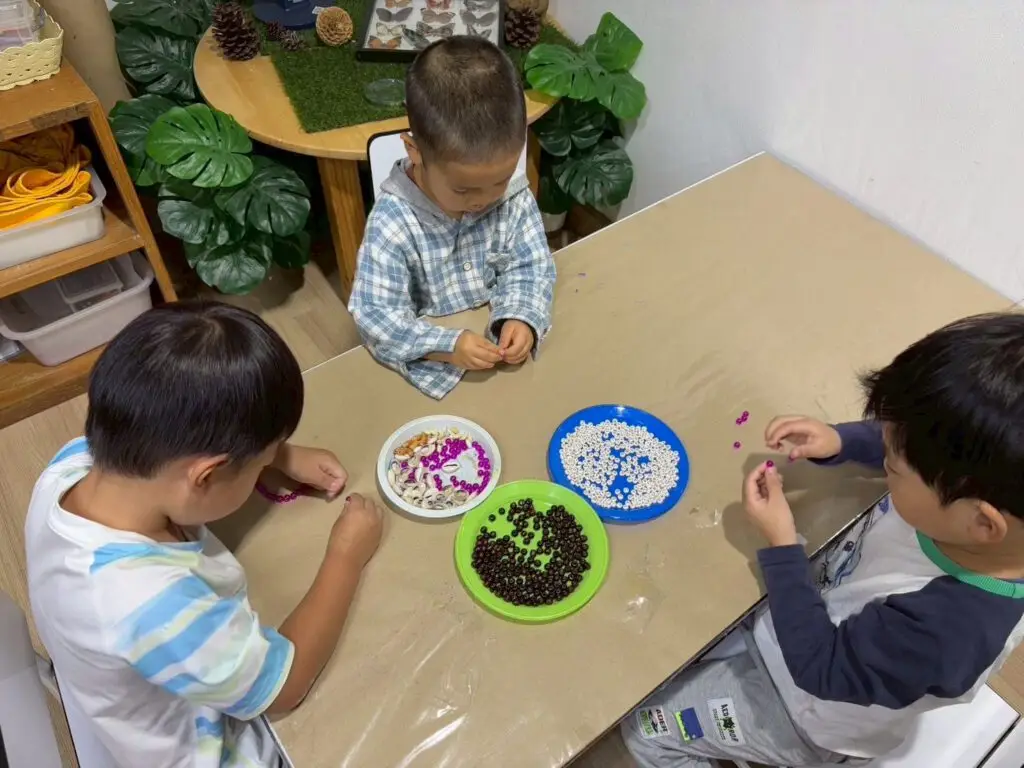
Various learning centres are set up in the classrooms to provide opportunities for independent learning. Learning centres offer a variety of activities and materials that cater to the multiple intelligences of children.
Children can choose to go to the learning centres that interest them, nurturing autonomy and self-directed exploration.
Schedule a campus tour, meet our teachers, and discover how Siriaunda Kindergarten prepares your child for primary school and beyond.